

Ghosting Poster Problems

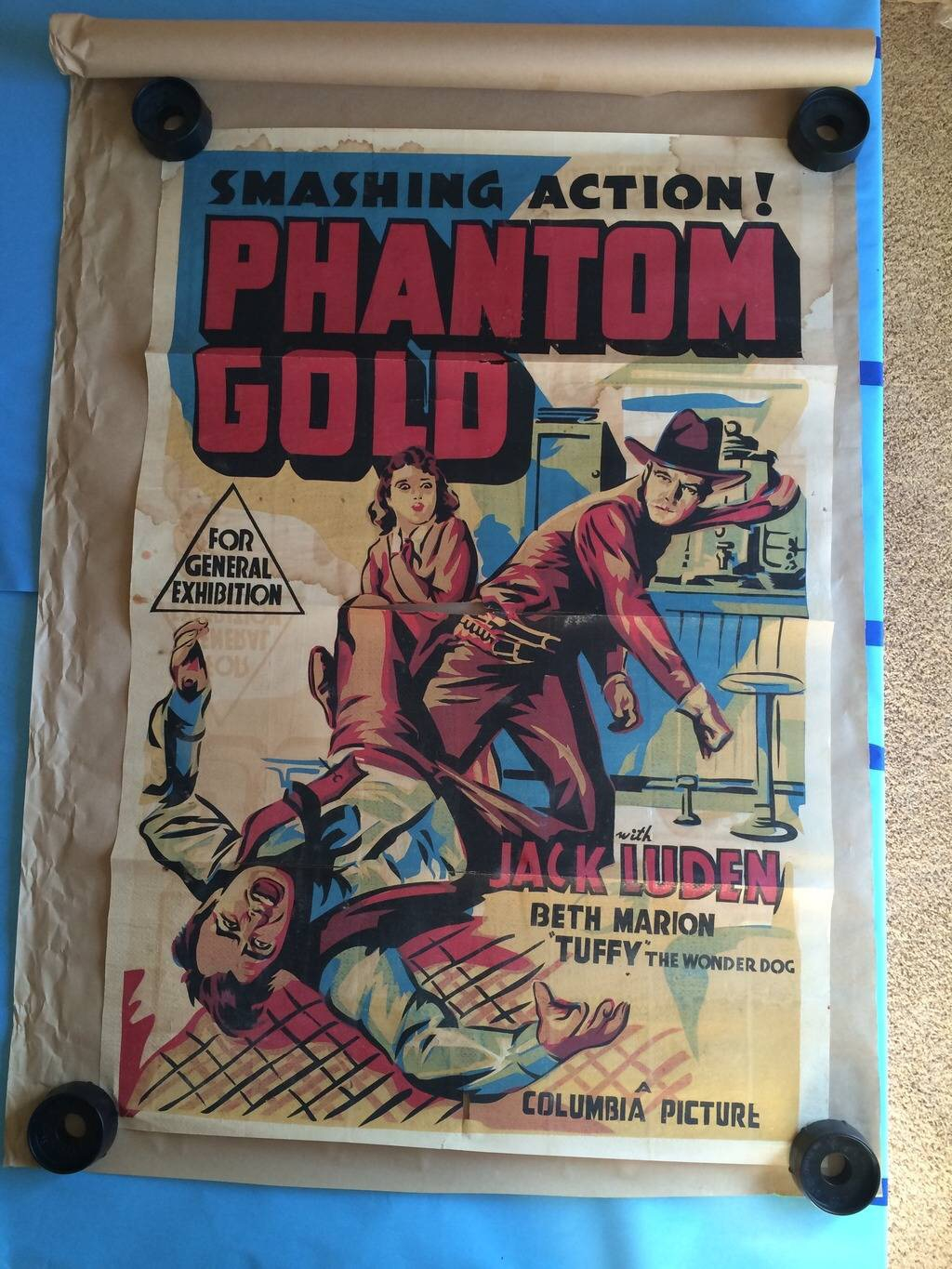
Phantom Gold ( 1938 ). An upside down image on the reverse side of the same poster visible with the words ''Gold'' and ''For General Exhibition'' viewable.
This poster discussed on the thread Only Known Copies had me thinking of other examples of this ghosting problem. Following is another example of this type of problem.

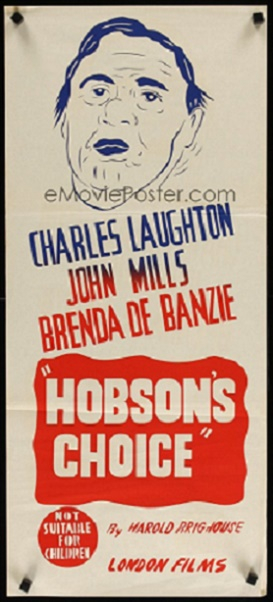
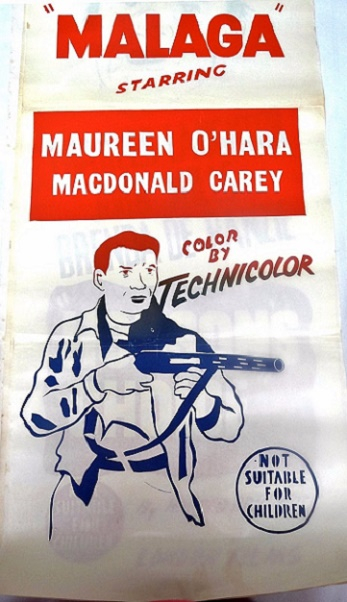
Malaga ( 1954 ) ( U.S.A. Fire Over Africa ) daybill, Hobson's Choice ( 1954 ) daybill & another Malaga daybill with the previous Hobson's Choice daybill's image appearing on the back of the poster clearly readable on this Malaga image. Both Malaga and Hobson's Choice films were released in Australia by London Films through Universal and the printer was most likely F.Cunninghame, although not credited, they were the preferred printer for Universal at that period of time. Hobson's Choice was released in Australia in 1954 and Malaga in 1955.
0
Get In Touch

Comments
Not sure about Malaga, but could be one poster laying on top of the other.
As I am not an expert at this sort of thing I am curious to know what does Mark ( Eisenhower ) has to say about this, so that we can clear this up this Phantom Gold poster query?
Regarding Malaga, wouldn't the poster paper be too thick to see an image of another poster underneath it? I have seen over the years numerous images of piles of posters and have have never seen this effect before. There may be other possibilities though and that is a photocopy on very thin paper of Malaga may have made this possible, or seeing that both Malaga and Hobson's Choice were each London Film duotone daybills, perhaps both titles were printed at the same time and this one Malaga poster was placed upon the Hobson's Choice daybill in error before the Hobson's Choice daybill copy ink had time to dry. I really don't know the answer though, so just offering possibilities on what could have taken place,
The ghosting effect is pretty common especially on those duotone Aussie posters. And in my experience it is from being folded presumably while the ink isn't completely dry.
On 'newer' posters my Blade Runner daybill shows some slight ghosting of the gold text (again from being folded over).
I have some examples I will try to share later.
So there were two copies of the Phantom, one underneath facing the other way with the water damage causing the ghosting. You can see "ack" (from Jack) in reverse under the "TO" in Phantom.
What I find interesting here is both Malaga and Hobson's Choice are London Films / Universal duotone daybills, most likely printed by F. Cunninghame about a year apart. Another thing to mention is that Malaga has been placed and photographed overlapping the Hobson's Choice daybill sitting under it. The ''London Films Presents'' wording at the top of Malaga is missing. Probably means nothing in the scheme of things though. All the possible explanations so far are mainly referring to Phantom Gold and not Malaga though.
For older posters like Phantom Gold my theory is that the ghosting occurs over a very long period of time rather than by ink that hasn't dried properly. Pressed together with weight creates the shadow.
here is a link to a discussion titled, "Toning" in which ghosting was previously discussed.
http://vintagemoviepostersforum.com/discussion/comment/13219#Comment_13219
@Charlie mentioned, ...."I tend to lean towards it being a mechanical "ghosting" versus say ink being wet and then folded... Poster is folded, pressed, humidity/temperature rise and fall - paper shrinks/swells..."
The above would seem to seem to support your thoughts Mark. Ghosting impression over time, rather than wet ink after poster is printed & folded.
One on top of the other >>
I am not too familiar with the printing of film posters process, which it seems the majority of participants on the forum do, so I would be very pleased if I can hear from various members, and in layman's terms would be appreciated, what they believe happened with the above poster, and solely this example, ending up in this state.
For the Gunga Din ( 1939 ) & Tuttles Of Tahiti ( 1942 ) two sided poster, I am curious to hear some thoughts on which title was printed first? Was is the obvious Gunga Din or was it the less obvious Tuttles of Tahiti?